IMD vs IML — and Where OMD Fits
In-mold decoration, in-mold labelling and out-of-mold decoration decorate molded parts at different moments in the part's life. This comparison explains the difference in terms of the part you are actually making.
IMD vs IML: the family
In-mold decoration, in-mold labelling and out-of-mold decoration are three members of one family that puts a printed film surface onto a molded part. They differ in when the film meets the part and what job the film does there.
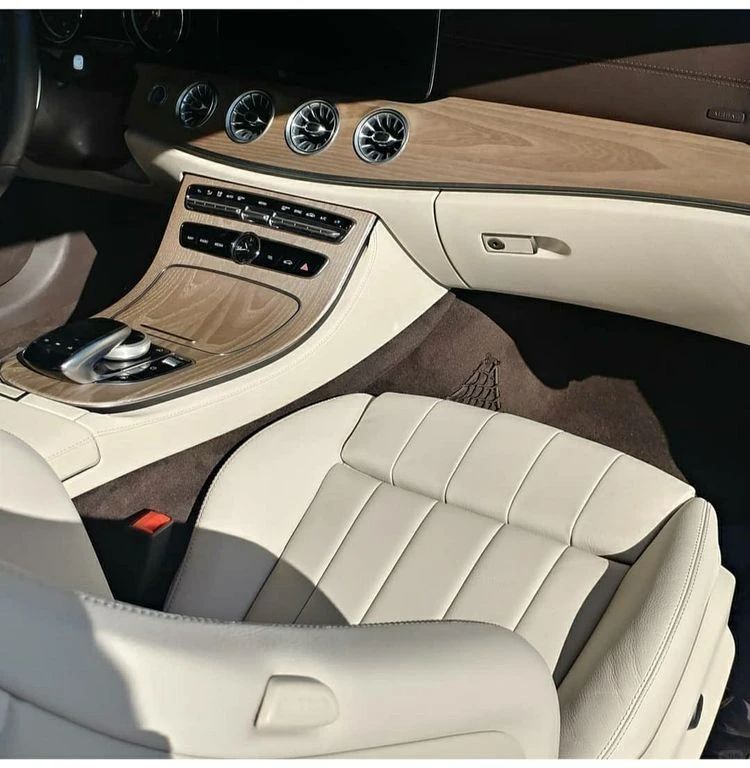
In-mold and out-of-mold decoration put the pattern inside the product's own forming story. IMD patterns in this range include stone textures, gilded silk filaments, weathered and washed oak grains, old elm, fluid art and fine canvas weave, aimed at automotive interior parts, home appliance panels, electronic devices and cosmetics packaging.
IMD vs IML: iMD and IML compared
In-mold decoration forms and moulds the film with the part, so the decoration follows curves and becomes part of the component's surface. In-mold labelling places a label element into the mould, where it bonds with the part as a defined graphic area. Out-of-mold application decorates the part after moulding, suiting parts whose geometry or production route keeps decoration outside the mould.
The choice between in-mold decoration, in-mold labelling and out-of-mold application follows the part: its geometry, its moulding route and where the decorated surface must sit. Flat or gently curved parts, deep parts and parts decorated after moulding each point to a different member of this family.
IMD vs IML: choosing for a real part
Geometry decides first: deep, curved and fully wrapped surfaces point one way, flat graphic zones point another. Resin, cycle and tooling follow. Send drawings or samples of the part and the resin you mould, and the family member can be chosen against the real component.
Automotive interiors reward patterns that read as materials — wood, stone, woven fabric — at arm's length and under changing light. Appliance panels reward clarity and wipe-clean surfaces. Cosmetics and small electronics reward fine detail. Naming the product category in your inquiry routes the pattern shortlist correctly from the start.
Comparison summary
| Question | Guidance |
|---|---|
| Best starting point | The finish you need to see on the finished product |
| Deciding input | Substrate, shape and daily use |
| Proof | A trial on your own substrate settles the choice |
IMD vs IML: pattern families in this range
A good inquiry is short but specific: the film type you are considering, the substrate you run, the width and roll length on your machine, and the quantity per design. With those four inputs a quote can confirm the minimum run, the price and the delivery schedule for exactly the film you need.
Storage decides how a film performs months after delivery. Keep rolls in a ventilated, shaded, cool place, protected from pressure, dampness, heat and direct sunshine, and keep each roll in its wrapping until it reaches the machine.
The choice between in-mold decoration, in-mold labelling and out-of-mold application follows the part: its geometry, its moulding route and where the decorated surface must sit. Flat or gently curved parts, deep parts and parts decorated after moulding each point to a different member of this family.
IMD vs IML: how the finish is produced
Samples are the fastest route through this catalogue. Stock samples and catalogues let you judge colour, gloss and pattern scale on your own substrate and under your own light before any production quantity is discussed, and custom patterns begin from your drawings or physical samples.
In-mold and out-of-mold decoration put the pattern inside the product's own forming story. IMD patterns in this range include stone textures, gilded silk filaments, weathered and washed oak grains, old elm, fluid art and fine canvas weave, aimed at automotive interior parts, home appliance panels, electronic devices and cosmetics packaging.
Automotive interiors reward patterns that read as materials — wood, stone, woven fabric — at arm's length and under changing light. Appliance panels reward clarity and wipe-clean surfaces. Cosmetics and small electronics reward fine detail. Naming the product category in your inquiry routes the pattern shortlist correctly from the start.
What to send with your inquiry
Comparing finishes for a live job? Send both options you are weighing, the substrate and the quantity per design.