Choosing Foil for PS Picture Frames and Mouldings
A picture frame is judged at arm's length, next to the artwork it holds. This article covers how frame makers choose foil — metallic, stone, fabric and wood looks — by profile width, viewing distance and the art on the wall.
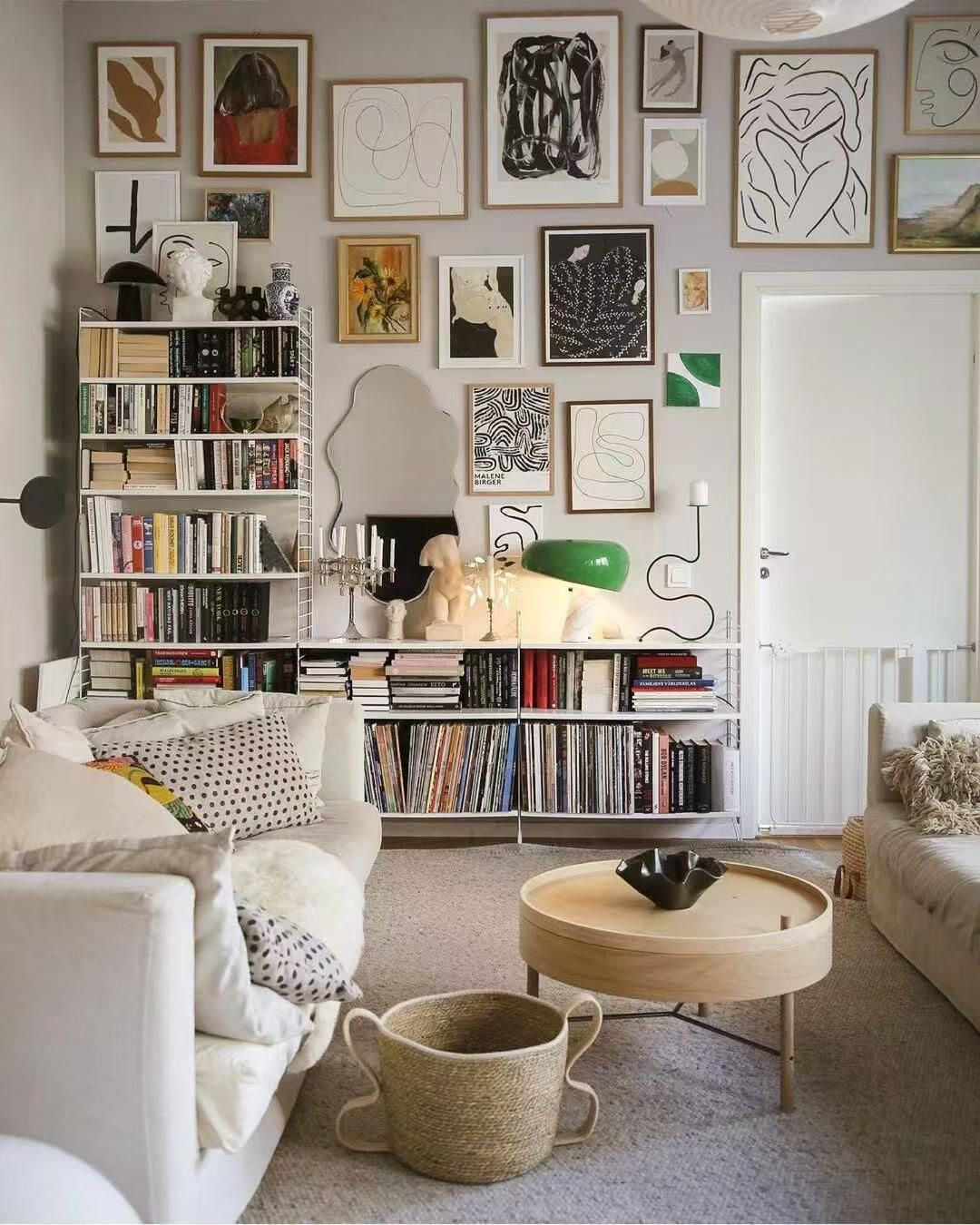
The frame's peculiar judgement
A picture frame is the only product in this catalogue that is judged while standing next to art. It is seen at arm's length, in good light, by someone already looking carefully — and it must ornament without competing, because the picture inside it is supposed to win. Choosing foil for PS picture frames and mouldings is therefore an exercise in calibrated presence: enough character to justify the frame's existence, never so much that the eye stops at the border and forgets to enter the picture.
PS foam gives the exercise a friendly material. Its surface is smooth, closed and consistent from length to length, so a pattern that proofs cleanly on a sample length repeats faithfully along a production run. The moulding supplies the profile — the steps, beads and flats that catch light — and the foil supplies the surface those shapes wear. One profile in a gilded stone finish and the same profile in a quiet wood tone are, commercially, two different frames.
Profile width decides the pattern
Width is the first filter. Narrow mouldings cannot carry large-scale design: a marble movement or a broad grain is cropped into meaningless fragments on a slim profile, while fine metallic bands, small weaves and gentle textures stay legible at that scale. Wide frame faces reverse the rule — they have room for gilded stone, slate effects, diamond weave and the bolder laser patterns, and a too-small pattern on a wide face looks timid rather than refined.
Viewing distance is width's partner. Frames for large artwork are read from across a room, where contrast and silhouette matter more than detail; frames for photographs and certificates are read close, where fine fabric textures and soft metallics reward attention. State both in the inquiry — the profile width and the typical viewing distance — and the shortlist sorts itself into patterns that will actually be seen as intended.
The four families on a frame
Metallic finishes are the frame's oldest language: gilded looks, brushed tones and laser cat-eye patterns that make a profile glow at its edges where light turns. Stone looks — marble, slate brick, gilded stone — lend weight and ceremony to mirrors and formal pictures. Fabric textures — metallic weaves, diamond patterns — soften modern frames that must sit beside textiles and upholstery. Wood grains, from teak to annual-ring oak, answer the oldest expectation of all: that a frame is made of timber.
Most frame ranges need all four families, because the art they serve is not one thing. A gallery set, a hotel programme and a retail frame wall each mix subjects and moods. The commercial discipline is to keep the families coherent — shared metal tones across the metallics, shared warmth across the woods — so a wall of different frames still reads as one maker's collection rather than as stock accumulated from four different shelves.
Matching the frame to the picture
Frame makers who choose well start from the pictures their customers actually frame. Dark, dramatic artwork tolerates — often wants — a strong gilded or stone border; pale watercolours and prints want softer metallics and low-gloss textures that do not outshine them. Sending photographs of your typical artwork subjects alongside the profile widths is the fastest brief in this catalogue: the pattern shortlist can be built around the art instead of around the foil shelf.
Repeat the matching at range level. Bestselling frame lines usually pair each profile with a small set of proven finishes rather than offering every pattern on every profile, because customers choose faster from a curated wall and production runs stay longer and cleaner. Keep the pairings that sell, retire the ones that only looked interesting in the sample book, and let the colour card refreshes rotate novelty through the proven profiles.
Beyond the frame: the same foil, longer lengths
The frame foil family also decorates the moulding's cousins — skirting boards, grating plates and decorative lines — which run in long lengths where pattern register is exposed mercilessly. A design that wanders along a skirting run announces itself in every room corner. When ordering for mixed use, group the inquiry by profile and length so each film is matched to the run it must survive, and trial the longest profile first: it is the strictest test the family offers.
Close, as always, with a length on your own machine. Check adhesion on the profile's steps and curves, alignment along the run, and the finish under the light your customers' walls actually have. Record the pairing of profile and pattern on the job card. A frame foil chosen this way stops being a catalogue gamble and becomes what the best frame ranges are: a small set of decisions, proven once and repeated profitably.
Frames for mirrors, photographs and certificates
Mirrors ask frames to do ceremonial work: they are furniture, jewellery and architecture at once, usually wide-faced and seen straight on. That is the natural home of the boldest gilded and stone finishes, where a generous pattern scale has room to perform. Photographs ask the opposite — small scale, close viewing, finishes that flatter paper and glass — and reward the soft metallics and fabric textures that stay quiet at reading distance. Stocking both duties well is what separates a frame range from a frame shelf.
Certificates, diplomas and artwork on paper add a third duty: permanence of tone. These frames hang for decades in offices and hallways, so their finishes are chosen conservatively, favouring metals and woods whose character will not date. When you plan a range, sort your profiles by the duty they will actually serve — ceremony, intimacy or permanence — and let the foil families follow that sorting rather than a pattern book's order.
Choosing Foil for PS Picture Frames and Mouldings: questions, answered
What profile information matters most when choosing frame foil?
The profile width and shape, plus the viewing distance the finished frame will be seen from. Together they decide which pattern scales and finishes will read as intended.
Can one moulding profile support several different looks?
Yes — that is the family's commercial strength. The profile supplies the shape and the foil supplies the surface, so one profile can be sold as gilded, stone, fabric or wood simply by changing film.
How should artwork influence the foil shortlist?
Send photographs of the subjects your customers frame. Strong art can carry bold gilded or stone borders; pale prints want softer metallics and low-gloss textures that stay behind the picture.
What to send with your inquiry
Working on a similar job? Send the film type, the substrate and the quantity per design for a quote.