Developing Custom Film Patterns from Samples
Most custom patterns begin as a physical thing: a sample of timber, a competitor's panel, a photograph of stone. This article follows a custom pattern from that starting sample to a production film approved on the buyer's own substrate.
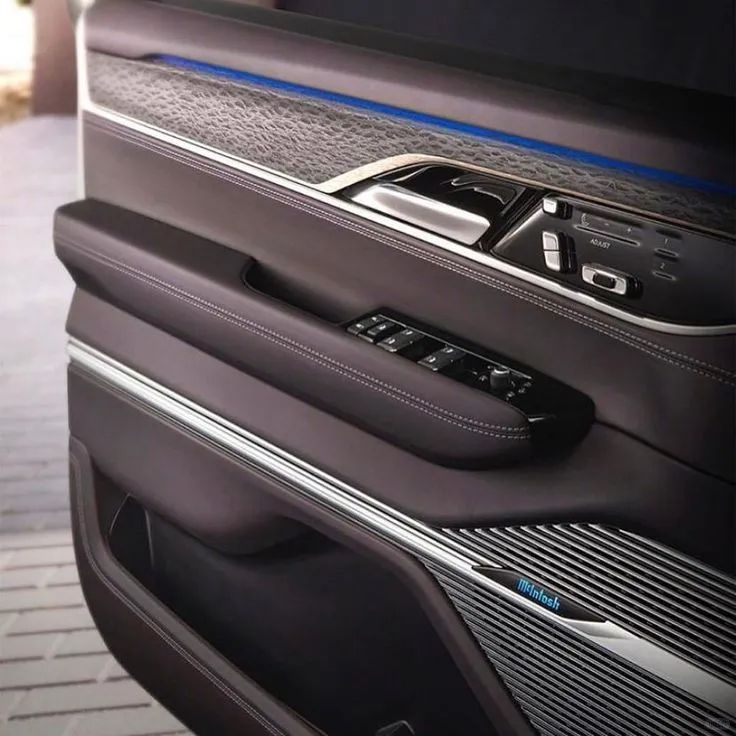
Most custom patterns begin as a physical thing
Ask where a custom film pattern started and the answer is rarely a drawing office. It is a thing: a plank of timber with the right grain, a competitor's panel whose finish a buyer wants to answer, a piece of stone too heavy to use and too beautiful to forget, a photograph taken in a hotel corridor. This article follows that starting sample through development — matching, proofing, trialling — to the moment it becomes a production film approved on the buyer's own substrate, which is where every custom pattern must end up.
The sample's job is to carry information no brief can write down. Colour under real light, gloss, texture, scale, the spacing of features — a physical reference holds all of it at once, which is why development from a sample is faster and more faithful than development from description. A drawing with dimensions runs a close second; a photograph is a workable start when it is honest about its lighting. Send the best reference you have, and say plainly what it is.
What may vary and what may not
The first development conversation sorts the reference into fixed points and flexible ones. Perhaps the grain's character is sacred but its tone may warm; perhaps the colour is exact but the scale may shrink for a narrower profile; perhaps the gloss is negotiable and the stone's movement is not. Naming the fixed points early is what lets the flexible points be explored quickly, because the developers know which corrections are improvements and which are betrayals of the brief.
Substrate and destination belong in the same conversation. A grain developed for a flat MDF door behaves differently on a narrow frame profile, and a stone developed for a wall panel will be judged at different distance on an appliance front. Tell the development where the pattern will live — the product, its size, its light, its daily handling — so the match is engineered for its destination rather than for the sample table where the reference happens to sit.
Proofing on film, honestly
The pattern is drawn or matched, then proofed on film, and the proof is compared against the reference under agreed light. This is the stage for candour: colour drift, scale error and gloss mismatch are cheap to correct on a proof and expensive to discover on a production run. Expect several correction rounds on a demanding match, and judge each proof beside the original sample — never beside the previous proof, which lets errors accumulate by small, agreeable steps.
One-to-one adjustment is the method: pattern, colour and process tuned against the reference in a dialogue between the buyer's eye and the developer's craft. The buyer owns the verdict — only they know what their customers must see — and the developer owns the route to it. When the proof finally sits beside the sample and the difference stops mattering at the product's viewing distance, the pattern has earned its trial.
The trial that approves the marriage
A proof approves a pattern; a trial approves the marriage of pattern and substrate. Run the proof film on your own board, profile or sheet, under your own machine settings, and judge what only the real pairing can show: adhesion, edge behaviour, gloss under your light, the pattern's scale on the real component. Custom work fails here more often than at proofing, because this is the first moment the design meets the physics it must live with.
Treat trial findings as development information, not as disappointment. A pattern that lifts at a profile's step is telling you about adhesive and geometry; a colour that flattens on the real board is telling you about light and scale. Feed those findings back and adjust — the development loop exists precisely so that production never has to learn these lessons at production cost. Only a passed trial releases the pattern into a run.
From approved pattern to standing specification
Approval converts into paperwork: the pattern's identity, the substrate, the proven settings and the approved appearance recorded on a job card, with a kept sample of the production film filed as the reference. That record is what makes the custom pattern an asset instead of an event — reorderable next season, extendable to a matching product, defensible if staff change on either side of the relationship.
And the starting sample completes its journey. The plank, the panel, the stone that began the process is joined in the file by the film it became, and the buyer's range gains a surface no competitor can order from a catalogue. That is the real product of custom development: not merely a matched pattern, but a small piece of design property, proven on your own substrate and recorded well enough to outlast the project that created it.
Briefing well: the buyer's half of development
Development quality is half supplier craft and half buyer briefing, and the buyer's half is mostly candour. Share the reference's origin even when it is a competitor's product; share the target product and its market in words, because a pattern developed for a premium line is judged differently from one developed for volume. Share, too, the constraints you already know — the substrate that cannot change, the profile that cannot widen — so development spends its ingenuity inside the real problem.
Finally, stay in the loop the development creates. Answer proof rounds promptly and specifically — this tone warmer, this feature smaller — rather than with general approval or general unease. Specific verdicts converge a development in a few rounds; vague ones wander. The buyers who receive the best custom films are, without exception, the buyers whose feedback a developer can act on the same day it arrives.
Developing Custom Film Patterns from Samples: questions, answered
What is the best reference to send for a custom pattern?
A physical sample — timber, stone, a finished component — because it carries colour, gloss, texture and scale at once. A dimensioned drawing runs second; a photograph is a workable start if its lighting is honest.
How many proof corrections should a buyer expect?
Several on a demanding match. Judge each proof beside the original sample, not the previous proof, and name early which features may not vary — the corrections then converge instead of wandering.
When is a custom pattern ready for production?
After the trial, not after the proof. The proof approves the pattern; running it on your own substrate under your own settings approves the pairing, and only that releases a production run.
What to send with your inquiry
Working on a similar job? Send the film type, the substrate and the quantity per design for a quote.